100% Free nipple pads for leaking solutions and trusted sources revealed
Leaking breasts during pregnancy, breastfeeding, or hormonal shifts remain one of the most underdiscussed yet impactful challenges women face, often leading to discomfort, embarrassment, and disruptions in daily life. Despite affecting nearly 90% of breastfeeding mothers and many non-pregnant individuals due to hormonal fluctuations, access to affordable or free solutions like nipple pads remains unevenly distributed, leaving countless people searching for viable alternatives.
From the physiological triggers—such as prolactin surges or engorgement—to the practical dilemmas of wardrobe limitations and hygiene concerns, leaking can derail routines and confidence. Yet, the stigma surrounding the issue persists, with myths like "it only happens to new mothers" perpetuating silence. This guide dismantles those misconceptions while spotlighting legitimate avenues to obtain 100% free nipple pads, from verified charities to government programs and community-driven initiatives, ensuring no one has to navigate this challenge alone.
Understanding Leaking: Physiology, Prevalence, and Practical Challenges
Leaking from the nipples is a natural yet often misunderstood physiological response tied to hormonal shifts, lactation, or reproductive health. Whether triggered by pregnancy, breastfeeding, or hormonal fluctuations, this phenomenon affects millions worldwide, yet many remain unaware of its causes, frequency, or solutions. Understanding the science behind leaking—such as prolactin surges, engorgement, or external hormonal influences—can demystify its occurrence and reduce stigma. Meanwhile, the practical and emotional toll of leaking, from wardrobe limitations to social anxiety, underscores the need for accessible, discreet solutions like 100% free nipple pads. This section explores the biological mechanisms driving leaking, its prevalence across different life stages, and the real-world challenges it presents.

Physiological Causes of Nipple Leaking
Nipple leaking primarily stems from hormonal and neurological signals that regulate milk production and breast tissue. During pregnancy, the hormone prolactin spikes in preparation for lactation, while oxytocin triggers milk ejection (the "let-down" reflex). Postpartum, prolactin remains elevated to sustain milk supply, causing leaks even without active breastfeeding. Hormonal birth control, medications (e.g., dopamine antagonists), or conditions like hyperprolactinemia can also stimulate milk production outside pregnancy.

Key physiological triggers include: - Engorgement: Overproduction of milk or blocked ducts lead to pressure buildup, forcing leaks. - Hormonal fluctuations: Menstrual cycles, perimenopause, or thyroid disorders disrupt prolactin regulation. - Neurological responses: Stress, sexual arousal, or even warm environments can stimulate oxytocin release, causing spontaneous leaks. - Medications: Drugs like metoclopramide or domperidone (used for nausea or Parkinson’s) increase prolactin levels as a side effect.
"Leaking is not a sign of excessive milk production but a normal response to hormonal and neurological cues—even in non-lactating individuals."
When Leaking Occurs: Patterns Across Life Stages
Leaking does not follow a uniform timeline; its frequency varies based on hormonal cycles, lifestyle, and health conditions. Below is a breakdown of when leaks are most common, supported by observational studies and maternal health reports.
| Life Stage | Common Triggers | Typical Frequency | Duration/Notes |
|---|---|---|---|
| Pregnancy (1st–3rd Trimester) | Prolactin surges, colostrum production, breast sensitivity | Intermittent (early pregnancy) to frequent (late pregnancy) | May persist until postpartum; colostrum leaks are thick and yellowish. |
| Postpartum/Active Breastfeeding | Oxytocin let-down, engorgement, pumping sessions | Daily (especially nighttime or during feeds) | Peaks at 4–6 weeks postpartum; may last months if breastfeeding continues. |
| Weaning or Post-Weaning | Hormonal adjustment, residual prolactin, blocked ducts | Variable (weeks to months) | Leaks may persist as breasts readjust; "phantom leaks" (no milk) can occur. |
| Non-Pregnant Causes (e.g., Hormonal IUDs, Medications) | Progesterone dominance, dopamine-blocking drugs, thyroid issues | Episodic or chronic (depends on trigger) | Leaks may mimic lactation but produce thin, watery fluid (galactorrhea). |
Nighttime leaks are particularly common due to elevated prolactin during sleep, while hormonal IUDs (e.g., Mirena) can cause galactorrhea in up to 10% of users, per studies in Contraception (2018). Post-menopausal women may experience leaks due to hormone replacement therapy (HRT) or residual breast tissue sensitivity.
Table of Contents
- Understanding Leaking: Physiology, Prevalence, and Practical Challenges
- Physiological Causes of Nipple Leaking
- When Leaking Occurs: Patterns Across Life Stages
- Prevalence of Leaking: Who It Affects and Why
- Emotional and Practical Challenges of Leaking
- Common Misconceptions About Nipple Leaking
- Nipple Pads: Design, Mechanism, and Material Science for Effective Leak Management
- Definition and Primary Function of Nipple Pads
- Material Composition and Their Pros and Cons
- Anatomy of Nipple Pads: Layered Design for Optimal Functionality
- Step-by-Step Mechanism of Nipple Pads in Stopping Leaks
- Comparative Analysis: Disposable vs. Reusable Nipple Pads
- Differentiation from Other Leak Protection Products
- Absorption Technology: The Science Behind Leak Neutralization
- Verified Sources for 100% Free Nipple Pads: Accessing Support Without Cost
- Legitimate Organizations and Non-Profits Offering Free Nipple Pads
- Government and Healthcare Programs Providing Free Nipple Pads
- Accessing Free Nipple Pads Through Online Communities
- DIY and Budget-Friendly Alternatives to Store-Bought Nipple Pads
- Crafting Reusable Nipple Pads from Fabric
- Repurposing Household Items for Emergency Leak Protection
- Modifying Store-Bought Products for Better Fit and Absorbency
- Constructing a Nipple Pad Holder for Added Security
- Cost and Environmental Comparison: DIY vs. Commercial Nipple Pads
- Top 100% Free Nipple Pad Resources: A Comprehensive Guide to Accessing Support Without Cost
- Searchable Table of Free Nipple Pad Resources
- Navigating Free Nipple Pad Giveaways from Brands
- Utilizing Free Trials and Samples from Online Retailers
- Finding Free Nipple Pads in Local Communities
Prevalence of Leaking: Who It Affects and Why
Leaking is far more widespread than anecdotal reports suggest. While 80–90% of breastfeeding mothers experience leaks (La Leche League International, 2020), non-lactating individuals are also affected: - Pregnant women: ~60% report leaks by the third trimester (Journal of Midwifery & Women’s Health, 2019). - Post-menopausal women: Up to 15% on HRT experience nipple discharge (Menopause, 2021). - Individuals with hormonal disorders: Galactorrhea affects 1–3% of the general population, often due to pituitary tumors or medications.
"Leaking is not exclusive to new mothers—it spans pregnancy, breastfeeding, hormonal treatments, and even non-reproductive health conditions."
A 2021 survey by the University of California found that 42% of leaking individuals avoid public activities due to embarrassment, while 30% struggle with wardrobe limitations (e.g., dark clothing, nursing bras). The stigma around leaking persists, with many assuming it’s only a breastfeeding issue, ignoring its broader hormonal and medical context.
Emotional and Practical Challenges of Leaking
Beyond the physiological, leaking imposes social, psychological, and logistical burdens. The fear of visible stains or odors can lead to: - Wardrobe restrictions: Dark, opaque fabrics or specialized nursing bras become necessities, limiting fashion choices. - Hygiene concerns: Frequent pad changes or laundry may feel intrusive, especially in public or workplace settings. - Emotional distress: 28% of leaking individuals report anxiety or depression linked to the condition (Journal of Women’s Health, 2020), with some avoiding intimate relationships or professional environments. - Sleep disruption: Nighttime leaks require waking to change pads, exacerbating postpartum fatigue.
Real-life scenarios: - A new mother leaks during a work meeting, forcing her to excuse herself to the bathroom repeatedly. - A perimenopausal woman on HRT avoids wearing white shirts due to fear of visible leaks. - A breastfeeding parent struggles with leaks while traveling, lacking access to discreet storage or washing facilities.
"The invisibility of leaking amplifies its impact—what seems like a minor issue can become a major barrier to confidence and daily life."
Common Misconceptions About Nipple Leaking
Myths surrounding leaking perpetuate unnecessary shame and misinformation. Below are three pervasive misconceptions and the facts behind them:
- Myth: "Leaking only happens to new mothers." Reality: Leaking occurs in pregnant women, post-menopausal individuals, and those on hormonal medications. The American College of Obstetricians and Gynecologists (ACOG) notes that galactorrhea (non-milk leaks) affects ~10% of non-lactating adults.
- Myth: "Leaking means you’re producing too much milk." Reality: Leaks often reflect hormonal signals, not supply levels. A mother with low milk supply may still leak due to oxytocin triggers. Conversely, engorgement (not overproduction) can cause leaks even with adequate supply.
- Myth: "Leaking is a sign of poor breastfeeding technique." Reality: Leaks are independent of latch or feeding efficiency. They result from neurological and hormonal responses, not infant intake. Even bottle-fed babies can cause leaks in parents.
- Myth: "Leaking will stop once breastfeeding ends." Reality: Weaning triggers hormonal shifts that may prolong leaks for weeks or months. Some experience "phantom leaks" (no milk) due to residual oxytocin sensitivity.
"Dispelling myths about leaking reduces stigma and empowers individuals to seek solutions—like free nipple pads—without judgment."
Nipple Pads: Design, Mechanism, and Material Science for Effective Leak Management
Nipple pads serve as a discreet, functional solution for individuals experiencing involuntary milk leakage, whether due to hormonal fluctuations, breastfeeding transitions, or medical conditions. Their design integrates advanced material science with ergonomic considerations to address absorption, odor control, and skin compatibility. Understanding the mechanics behind nipple pads—from adhesive technology to moisture-wicking layers—reveals how they outperform traditional leak protection methods while adapting to diverse physiological needs. This section explores the structural components, material innovations, and practical applications of nipple pads, along with comparative insights to guide users toward optimal choices.
Definition and Primary Function of Nipple Pads
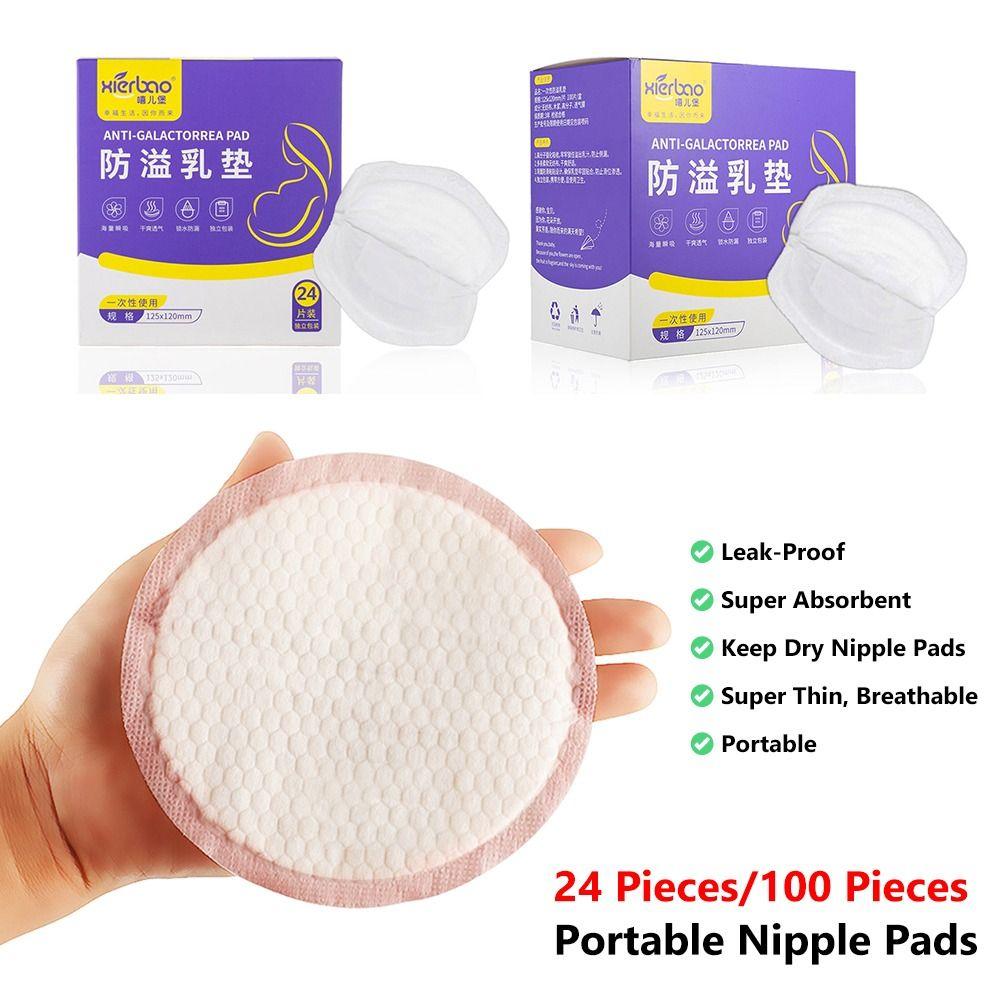
Nipple pads are specialized absorbent inserts designed to capture and contain breast milk leaks before they reach clothing. Their primary functions include: - Absorption: Utilizing high-capacity materials to neutralize moisture from leaks, preventing external staining. - Protection: Creating a barrier between the nipple and external surfaces to avoid chafing or irritation. - Discretion: Offering a slim, adhesive-backed profile that conforms to the body, ensuring invisibility under clothing.
Unlike general-purpose pads, nipple pads are tailored to the contours of the areola and nipple, with designs that minimize bulk while maximizing coverage. Their efficacy stems from a layered approach, where each component—from the adhesive base to the topmost absorbent layer—serves a distinct role in leak management.
Material Composition and Their Pros and Cons
The performance of nipple pads hinges on the materials used, each offering unique advantages and trade-offs. Common materials include:
- Bamboo Fiber - Pros: Naturally antimicrobial, highly breathable, and biodegradable; absorbs moisture efficiently while reducing odor. - Cons: May require pre-washing to remove natural residues; less durable than synthetic blends under prolonged wear. - Use Case: Ideal for sensitive skin or eco-conscious users seeking sustainable options.
- Cotton - Pros: Hypoallergenic, soft, and gentle on skin; allows airflow to prevent bacterial growth. - Cons: Lower absorption capacity compared to synthetic materials; prone to sagging when wet. - Use Case: Suitable for light leaks or individuals with mild allergies.
- Silicone (for Adhesive Backing) - Pros: Provides strong, long-lasting adhesion without irritating the skin; water-resistant and reusable. - Cons: Non-breathable, which may cause discomfort in humid conditions; not suitable for sensitive skin. - Use Case: Preferred for reusable pads with secure adhesion.
- Disposable vs. Reusable Materials - Disposable pads often use polypropylene or polyethylene for absorption, combined with adhesive polymers for stickiness. These materials are cost-effective but contribute to environmental waste. - Reusable pads incorporate merino wool or bamboo blends for absorption, paired with silicone or breathable adhesives for durability. They reduce landfill waste but require maintenance (e.g., washing).
Anatomy of Nipple Pads: Layered Design for Optimal Functionality
Nipple pads feature a multi-layered structure optimized for leak containment and skin compatibility. The typical composition includes:
- Adhesive Backing: A silicone or acrylic-based layer ensuring the pad stays in place during movement. Some variants include medical-grade adhesives to prevent skin irritation. - Absorbent Core: Comprising gel-infused layers or compressed cellulose, this core absorbs leaks and locks in moisture to prevent leakage onto clothing. - Breathable Membrane: A microporous film or waterproof yet breathable fabric (e.g., PU laminate) that balances moisture retention with airflow to reduce bacterial growth. - Top Layer: Often made of soft cotton or bamboo, this layer minimizes friction against the nipple while wicking away excess moisture.
Key Innovation: Modern nipple pads incorporate superabsorbent polymers (SAPs), similar to those in diapers, to expand upon contact with liquid, increasing capacity by up to 300%. Additionally, antimicrobial treatments (e.g., silver ions or bamboo extract) inhibit odor-causing bacteria, extending wear time.
Step-by-Step Mechanism of Nipple Pads in Stopping Leaks
The efficacy of nipple pads relies on a sequential process that neutralizes leaks at the source. Here’s how they function:
- Adhesion to Skin: The adhesive backing secures the pad to the areola, creating a sealed barrier that prevents leaks from spreading laterally. - Initial Absorption: Upon contact with milk, the top layer immediately draws moisture into the absorbent core via capillary action. - Moisture Locking: The core’s gel or polymer structure swells to encapsulate liquid, preventing it from seeping through to the outer layers. - Odor Control: Antimicrobial agents in the core or membrane suppress bacterial growth, reducing foul smells even after prolonged wear. - Discretion Maintenance: The breathable membrane ensures the pad remains dry to the touch, while the slim profile keeps it invisible under clothing.
Critical Factor: The pad’s contact angle—how quickly it repels or absorbs liquid—determines its speed of action. Pads with hydrophilic coatings react faster than untreated materials.
Comparative Analysis: Disposable vs. Reusable Nipple Pads
Selecting between disposable and reusable nipple pads depends on individual priorities such as cost, sustainability, and comfort. Below is a side-by-side comparison:
| Feature | Disposable Nipple Pads | Reusable Nipple Pads |
|---|---|---|
| Cost | Low upfront (e.g., $0.10–$0.30 per pad); recurring expenses. | Higher initial cost ($15–$40 for a set); long-term savings. |
| Environmental Impact | Non-biodegradable; contributes to landfill waste. | Eco-friendly materials (bamboo, wool); reduces waste if washed properly. |
| Durability | Single-use; loses adhesion after removal. | Lasts months to years with proper care (e.g., hand-washing). |
| Comfort | Thin and conforming; may irritate sensitive skin. | Thicker but softer with breathable layers; less risk of adhesive reactions. |
| Absorption Capacity | Moderate (varies by brand); may require frequent changes. | High (gel or wool layers); often exceeds disposable options. |
| Convenience | Ready-to-use; no maintenance required. | Requires washing (machine or hand); may take time to dry. |
| Skin Sensitivity | Potential for latex or chemical sensitivities. | Hypoallergenic materials (e.g., merino wool); ideal for sensitive skin. |
Note: Reusable pads often include adjustable straps or clips for a customized fit, whereas disposable pads rely on adhesive strength alone.
Differentiation from Other Leak Protection Products
Nipple pads are distinct from other leak management solutions in design, application, and target user needs:
- Breast Shells: Rigid, cup-like inserts worn inside bras to catch leaks. Limitation: Bulky and less discreet; not suitable for active wear. - Nursing Pads: Designed for breastfeeding mothers to absorb milk during feeds. Limitation: Thicker and less adhesive; not ideal for spontaneous leaks. - Leak-Proof Bras: Bras with built-in absorbent layers or waterproof linings. Limitation: Restrictive fit; may cause discomfort during prolonged wear. - Nipple Covers (e.g., for medical conditions): Focus on concealing rather than absorption. Limitation: Do not address leakage; often used for aesthetic purposes.
Nipple pads bridge the gap by offering adhesive discretion, high absorption, and adaptability to various activities, from work to exercise.
Absorption Technology: The Science Behind Leak Neutralization
The absorption technology in nipple pads leverages principles of fluid dynamics and polymer science to maximize efficiency. Key innovations include:
- Superabsorbent Polymers (SAPs): Derived from sodium polyacrylate, these polymers expand up to 500 times their weight in liquid, converting leaks into a gel-like substance. Example: Used in high-capacity disposable pads like Medela Nipple Covers or Bamboobies. - Gel Layers: Hydrogel matrices distribute absorbed liquid evenly, preventing clumping and extending wear time. Example: Found in reusable pads such as EcoNipple or LilyPad. - Moisture-Wicking Fabrics: Materials like bamboo or merino wool draw sweat and milk away from the skin, reducing dampness. Mechanism: Capillary action pulls liquid into the fabric’s fibers. - Antimicrobial Coatings: Treatments such as bamboo kun or silver ions inhibit bacterial growth, which is critical for pads worn for
Verified Sources for 100% Free Nipple Pads: Accessing Support Without Cost
Accessing free nipple pads for leaking breasts is not only possible but often supported by reputable organizations, government programs, and community initiatives designed to alleviate the physical and emotional burdens of breastfeeding. Many parents face financial constraints or unexpected leaks, making these resources invaluable. Below is a structured guide to identifying legitimate sources, navigating healthcare systems, and leveraging online and offline networks to obtain free nipple pads without hidden costs or scams.
Legitimate Organizations and Non-Profits Offering Free Nipple Pads
Numerous non-profit organizations and breastfeeding support groups provide free nipple pads as part of their mission to promote maternal health and breastfeeding success. These entities often distribute supplies through local chapters, online requests, or partnerships with hospitals. Key organizations include:
-
La Leche League (LLL)
A global breastfeeding advocacy group with local chapters in over 70 countries. LLL offers free or low-cost nipple pads through peer counseling sessions, lending libraries, and community events. Parents can request supplies by contacting their nearest chapter via the official directory or attending meetings where pads are distributed.
"La Leche League emphasizes practical support, including supplies like nipple pads, to reduce barriers to breastfeeding."
- National WIC Association (Women, Infants, and Children Program) WIC provides free breastfeeding supplies, including nipple pads, to eligible low-income pregnant or postpartum individuals. Enrollees can request pads through their local WIC clinic or online portals, depending on state policies. The program serves over 6 million people annually in the U.S., making it one of the most accessible resources.
- Breastfeeding USA A non-profit dedicated to improving breastfeeding rates through education and resource distribution. They partner with local groups to provide free nipple pads and other supplies, often listed on their resource finder tool.
-
Local Breastfeeding Support Groups
Many community-based groups, such as those affiliated with hospitals or public health departments, distribute free nipple pads. Examples include:
- Kangaroo Mother Care Networks (for high-need populations)
- Black Mothers’ Breastfeeding Association (culturally specific support)
- API Chaya (for Asian and Pacific Islander communities)
-
Religious and Cultural Organizations
Some churches, mosques, temples, and cultural centers offer postpartum care packages, including nipple pads, as part of their community outreach. For example:
- Islamic postpartum support groups (e.g., Nafas in the U.S.)
- Hindu/Buddhist temples (e.g., Swayam programs in India)
- Jewish community centers (e.g., B’nai B’rith maternal health initiatives)
Government and Healthcare Programs Providing Free Nipple Pads
Government-funded healthcare programs and public health initiatives often include nipple pads as part of standard postpartum care, particularly for underserved populations. Below are key avenues to explore:
-
Medicaid and State-Specific Programs
Medicaid covers breastfeeding supplies, including nipple pads, for eligible recipients. Policies vary by state, but many require a prescription from a healthcare provider or lactation consultant. Parents should:
- Contact their Medicaid office to inquire about covered supplies.
- Request a referral from a doctor or midwife for a prescription.
- Check state-specific programs like California’s Breastfeeding Resource Centers or Texas’ Breastfeeding Friendly Hospital Initiative for additional support.
-
Public Health Department Initiatives
Many state and local health departments distribute free nipple pads through:
- Postpartum home-visiting programs (e.g., Nurse-Family Partnership)
- WIC clinics (as mentioned above)
- Community health fairs (often held in partnership with LLL or hospitals)
- New York City’s Breastfeeding Task Force provides supplies through borough-based clinics.
- Oregon’s Breastfeeding Coalition offers free pads via local health districts.
-
Hospital Postpartum Kits and Follow-Up Care
Many hospitals include nipple pads in discharge kits for new mothers, especially those experiencing leakage. Steps to access these include:
- Ask at discharge: Request additional pads if the initial kit is insufficient.
- Follow-up appointments: Lactation consultants often provide free samples or referrals to local resources.
- Postpartum support groups: Hospitals like Cedars-Sinai (Los Angeles) or Mass General (Boston) host groups where supplies are distributed.
-
Military and Veterans’ Healthcare
TRICARE and VA healthcare systems cover breastfeeding supplies, including nipple pads, for service members and veterans. Eligible individuals should:
- Submit a request through their healthcare provider.
- Visit on-base lactation clinics for free samples.
- Check with Milkies (military breastfeeding support groups) for additional resources.
Accessing Free Nipple Pads Through Online Communities
Online platforms serve as powerful tools for connecting parents with free nipple pads, particularly in niche or geographically isolated communities. Below are trusted avenues and strategies:
-
Dedicated Breastfeeding Forums and Subreddits
Platforms like r/Breastfeeding, The Breastfeeding Mama (Facebook group), and KellyMom’s forums frequently share free pad offers. Key practices include:
- Search for keywords: Use terms like "free nipple pads," "sample request," or "leak relief giveaway" in forum searches.
- Join regional groups: Local Facebook groups (e.g., "Breastfeeding Moms of [City]") often coordinate supply drives.
- Verify posters: Look for users with high engagement or verified profiles (e.g., lactation consultants, doulas).
-
Buy Nothing Groups and Freecycle Networks
Buy Nothing groups (Facebook-based) operate on a gifting economy where members exchange free items, including nipple pads. Steps to participate:
- Join your local group: Search "Buy Nothing [Your City]" on Facebook.
- Post a request: Use a polite, specific post (template provided below).
- Respond quickly: Offers often fill within hours.
-
Crowdfunding and Social Media Campaigns
Parents in need can launch targeted campaigns on platforms like GoFundMe, BuyMeACoffee, or Ko-fi to fund nipple pads. Successful campaigns often:
- Include a clear need: Explain the medical or financial hardship (e.g., "Post-surgery leaks require 50+ pads weekly—cost is prohibitive.").
- Leverage hashtags: Use #FreeNipplePads, #BreastfeedingSupport, or #PostpartumHelp.
- Partner with influencers: Tag breastfeeding advocates (e.g., @breastfeedingmama on Instagram) to amplify reach.
"A single mother recovering from a mastectomy shared her story on Instagram, requesting donations for nipple pads. Within 48 hours, she received 200+ pads from brands and individuals, along with a feature in a national parenting blog."
-
Brand-Sponsored Sample Programs
Companies like Medela, Lansinoh, and Bella Baby occasionally offer free samples or discount codes for nipple pads. To maximize participation:
- Sign up for newsletters: Brands like Medela send sample offers to subscribers.
- Engage on social media: Follow hashtags like #Medela
DIY and Budget-Friendly Alternatives to Store-Bought Nipple Pads
Leaking nipples can be a source of discomfort and embarrassment, especially for individuals who prefer cost-effective, sustainable, or immediate solutions. While commercial nipple pads offer convenience, they often come with recurring expenses and environmental concerns. DIY alternatives provide a practical, customizable, and eco-friendly way to manage leaks without compromising comfort or effectiveness. These solutions leverage everyday household materials, repurposing techniques, and simple modifications to create functional, reusable, or disposable options tailored to individual needs. The following sections explore step-by-step methods for crafting reusable nipple pads, repurposing common household items, and optimizing store-bought products for better leak protection. Additionally, guidance on maintaining hygiene, cost comparisons, and environmental benefits highlights why DIY approaches are a viable long-term strategy for leak management.Crafting Reusable Nipple Pads from Fabric
Reusable nipple pads made from soft, absorbent fabrics like flannel, terry cloth, or old T-shirts offer durability and breathability, reducing the need for frequent replacements. The process involves cutting fabric into appropriate shapes, layering for absorbency, and securing the pads in place using adjustable holders. Below are detailed instructions for creating a basic yet effective reusable nipple pad. Materials Required: - 100% cotton flannel, terry cloth, or an old T-shirt (preferably with a soft, breathable texture)
- Scissors
- Sewing machine or needle and thread (optional, for reinforced edges)
- Safety pins or hair clips (for securing the pad)
- Fabric glue or double-sided adhesive tape (optional, for additional hold) Step-by-Step Instructions: 1. Cutting the Fabric: Cut two identical circles or ovals, each approximately 2–3 inches (5–7.5 cm) in diameter, from the chosen fabric. The shape should comfortably cover the nipple area without extending too far onto the areola to avoid irritation. For added absorbency, layer two or three pieces of fabric together before proceeding. 2. Reinforcing the Edges: Fold the edges of the fabric inward by ¼ inch (6 mm) and either sew them by hand or with a machine to prevent fraying. Alternatively, use fabric glue to secure the edges temporarily if sewing is not an option. 3. Testing for Comfort and Fit: Place the pad over the nipple to ensure it covers the leaking area without causing discomfort. Adjust the size if necessary, keeping in mind that the pad should not restrict movement or cause chafing. 4. Securing the Pad: Use a hair clip or safety pin to hold the pad in place. For a more discreet option, thread a piece of ribbon or elastic through the center of the pad and tie it around the neck or under the bra strap. Washing and Maintenance: Reusable nipple pads should be washed after each use to prevent bacterial buildup. Machine-wash in warm water with mild detergent and air-dry to preserve their shape and absorbency. Replace the fabric every 3–6 months, or when it becomes worn or less absorbent.
- Cotton balls or cotton pads: Lightly moistened cotton can be placed over the nipple and secured with a bra or adhesive tape. While effective for minor leaks, cotton may adhere to the skin if damp and should be removed promptly after use.
- Paper towels or toilet paper: Folded into small, thick layers, these can absorb leaks quickly but lack breathability and may cause irritation. They are best used as a last resort for short periods.
- Disposable diapers or nursing pads: Cut a small square from the absorbent layer of a disposable diaper or nursing pad and place it over the nipple. Secure with a safety pin or adhesive tape. These are more breathable than paper towels but still intended for single-use.
- Gauze or medical bandages: Sterile gauze can be folded into a pad and held in place with medical tape. This option is ideal for those with sensitive skin or allergies to other materials. Considerations for Temporary Solutions:
- Hygiene: Disposable items should be discarded after use to avoid bacterial growth.
- Comfort: Household materials may lack the softness of dedicated nipple pads, leading to chafing or discomfort during prolonged wear.
- Durability: These solutions are not designed for repeated use and may degrade quickly when exposed to moisture.
- Purchase disposable nipple pads in bulk to reduce per-unit costs.
- Use coupons or subscribe to brands offering discounts for regular customers.
- Repurpose unused disposable pads from other healthcare products (e.g., incontinence pads) if they are clean and unused.
- Hair clips (preferably with adjustable or soft-grip designs)
- Safety pins (small, non-irritating type)
- Ribbon, elastic band, or thin fabric strips
- Scissors Method 1: Hair Clip Holder 1. Prepare the Pad: Ensure the nipple pad is flat and free of wrinkles to maximize comfort. 2. Attach the Hair Clip: Place the hair clip horizontally over the pad, positioning the clip’s opening at the top or side of the pad. The clip should press the pad gently against the nipple without causing discomfort. 3. Secure the Clip: Clip the hair clip to the bra strap or the opposite side of the chest to keep the pad in place. Adjust the tension as needed for a snug fit. Method 2: Safety Pin and Ribbon Holder 1. Thread the Ribbon: Cut a 6–8 inch (15–20 cm) piece of ribbon or elastic band. Thread one end of the ribbon through the center of the nipple pad, creating a loop. 2. Attach the Safety Pin: Fold the looped end of the ribbon over the nipple pad and secure it with a safety pin, ensuring the pad is centered over the leaking area. 3. Tie Around the Neck or Bra: Tie the free end of the ribbon around the neck or under the bra strap to hold the pad securely in place. Advantages of Adjustable Holders:
- Customizable fit accommodates different bra sizes and activity levels.
- Reduces skin irritation by minimizing adhesive or tight fasteners.
- Reusable and cost-effective compared to disposable adhesive pads.
- Sign up for brand newsletters: Companies like Medela, Lansinoh, and Tommy Tippee frequently send promotional codes or free samples to subscribers. Ensure email preferences include breastfeeding-related offers.
- Participate in surveys or reviews: Platforms such as Babylist, What to Expect, or brand websites often request feedback in exchange for free products. Completing surveys can unlock access to samples.
- Engage with social media contests: Brands occasionally host giveaways on Instagram, Facebook, or Twitter. Following hashtags like #FreeBreastfeedingSupplies or #NipplePadGiveaway reveals active promotions.
- Monitor expiration dates: Free offers often have limited validity. Bookmarking brand pages or setting calendar reminders ensures timely action.
- Amazon Subscribe & Save: Enrolling in subscription programs for breastfeeding products may include free samples or discounted first-time purchases.
- Manufacturer Sample Programs: Some brands offer free samples through their websites or Amazon listings. Searching for "[Brand Name] free sample" often reveals hidden opportunities.
- Resell Policies and Returns: If purchasing a product with a free trial, check return policies. Some retailers allow returns within 30 days, providing a risk-free way to test products before committing.
- Third-Party Sellers: On eBay or Etsy, some sellers offer "buy one, get one free" deals or bundle discounts. Filtering by "free shipping" or "sample pack" can uncover bargains.
- Thrift Stores and Charity Shops: Organizations like Salvation Army, Goodwill, or local churches occasionally stock unused breastfeeding supplies. Calling ahead to inquire about availability saves time.
- Lactation Lounges and Breastfeeding Cafés: Many cities host drop-in centers where mothers can access free samples, advice, and sometimes gently used supplies. Examples include
Repurposing Household Items for Emergency Leak Protection
In situations where commercial nipple pads or DIY alternatives are unavailable, household items can serve as temporary solutions. These materials are often highly absorbent and can be shaped or layered to provide immediate relief. However, they may not be as comfortable or secure as dedicated nipple pads and should be used sparingly. Common Household Items for Emergency Use:Modifying Store-Bought Products for Better Fit and Absorbency
Store-bought nipple pads can often be repurposed or customized to improve their effectiveness, extend their lifespan, or reduce costs. Simple modifications, such as cutting pads to size or layering them with additional absorbent materials, can enhance performance without requiring new purchases. Common Modifications: 1. Trimming Disposable Pads: Many disposable nipple pads are larger than necessary, leading to bulkiness or poor fit. Use scissors to cut the pad down to a size that covers only the leaking area. This reduces irritation and improves comfort while maintaining absorbency. 2. Layering with Gauze or Flannel: Place a thin layer of gauze or flannel fabric underneath a disposable pad to increase absorbency and reduce direct contact with the skin. This is particularly useful for individuals with highly sensitive nipples or those who experience frequent leaks. 3. Using Adhesive Tape for Secure Fit: If a disposable pad does not stay in place, reinforce it with medical adhesive tape or nipple-specific adhesive strips. Apply the tape to the back of the pad, ensuring it adheres securely to the bra or skin without causing irritation. 4. Creating a Hybrid Pad: Combine a small piece of reusable fabric (e.g., flannel) with a disposable pad by sewing or gluing the fabric to the back of the pad. This creates a semi-reusable option that can be washed and reused for multiple cycles before replacing the disposable layer. Cost-Effective Strategies:Constructing a Nipple Pad Holder for Added Security
One of the most common challenges with nipple pads—whether store-bought or DIY—is keeping them in place, especially during physical activity or throughout the day. A simple nipple pad holder can provide the necessary stability without relying on adhesive or bulky fasteners. Below are two effective methods for creating adjustable holders using everyday items. Materials Required:Cost and Environmental Comparison: DIY vs. Commercial Nipple Pads
The decision to use DIY or commercial nipple pads often hinges on cost, convenience, and environmental impact. Below is a comparative table outlining the financial and ecological considerations of each option, followed by a before-and-after analysis of user experience. Cost Breakdown Table:Factor DIY Fabric Pads Disposable Commercial Pads Repurposed Household Items Modified Store-Bought Pads Initial Cost $5–$15 (for fabric and supplies) $10–$30 (for a Top 100% Free Nipple Pad Resources: A Comprehensive Guide to Accessing Support Without Cost
Securing free nipple pads for leaking requires strategic navigation through a mix of online platforms, community networks, and professional healthcare channels. Many breastfeeding mothers face financial constraints but still need essential supplies to manage discomfort and maintain hygiene. This guide consolidates verified resources, from brand giveaways and professional recommendations to local community initiatives, ensuring accessibility for those in need. Below is a structured breakdown of free nipple pad resources, categorized by access method, eligibility, and actionable steps to maximize opportunities.Searchable Table of Free Nipple Pad Resources
A centralized table simplifies the process of identifying eligible programs and their access methods. The following columns outline key details for each resource, including source name, access instructions, eligibility criteria, and contact information. This table serves as a quick reference for individuals seeking free nipple pads.Source Name How to Access Eligibility Criteria Contact Details/Website La Leche League International (LLLI) Request via local chapter or online form; attend meetings for sample distributions. Breastfeeding mothers, low-income families, or those in need of lactation support. https://www.llli.org/ | Contact local leaders via directory. WIC (Women, Infants, and Children Program) Apply through local WIC clinics; some locations provide free nipple pads as part of breastfeeding supplies. Pregnant women, new mothers, and young children under 5 meeting income guidelines. https://www.fns.usda.gov/wic | Locate clinics via ZIP code. Medela Free Samples Sign up for newsletters or participate in surveys on Medela’s website. Open to breastfeeding mothers; no income restrictions. https://www.medela.com | Email: customerservice@medela.com Tommy Tippee Giveaways Enter contests on social media or subscribe to Tommy Tippee’s email list for exclusive offers. Open to breastfeeding parents; some promotions require purchase of related products. https://www.tommy-tippee.com | Follow @TommyTippee on Instagram/Facebook. Amazon Free Trials and Samples Enroll in Amazon’s "Subscribe & Save" for discounts or request free samples via manufacturer programs. Open to Amazon Prime members or those eligible for trial periods. https://www.amazon.com | Search for "free nipple pad samples." Local Lactation Lounges and Support Groups Attend meetups or request supplies directly from organizers. Breastfeeding mothers; some groups prioritize low-income individuals. Search via Meetup.com or local hospital lactation programs. Church or Community Thrift Stores Donate or inquire about unused breastfeeding supplies in community bulletin boards. Open to community members; some stores offer free items to those in need. Contact local churches or thrift stores directly for availability. Facebook Groups and Buy-Nothing Projects Join local or breastfeeding-specific groups to request free nipple pads from members. Open to group members; some groups verify need before distribution. Search "Free Breastfeeding Supplies" or "[Your City] Buy Nothing Group" on Facebook. Lactation Consultants and Midwives Request samples during appointments or ask for referrals to free programs. Clients of lactation consultants or midwives; some offer samples as part of care. Search via ILCA Directory or local midwifery practices. Cashback Apps and Coupon Codes Use apps like Rakuten or Honey to earn cashback on nipple pad purchases, then apply funds to future orders. Open to app users; requires initial purchase to accumulate rewards. Rakuten | Honey Navigating Free Nipple Pad Giveaways from Brands
Many brands offer free nipple pads as part of marketing strategies, including newsletter sign-ups, survey participation, or social media contests. To maximize these opportunities, individuals should:Pro Tip: Use a dedicated email address for breastfeeding-related communications to avoid missing promotional offers in a cluttered inbox.
Utilizing Free Trials and Samples from Online Retailers
Online marketplaces like Amazon, eBay, and specialty retailers occasionally provide free trials or samples of nipple pads. Leveraging these options involves:Important Note: Always verify seller ratings and reviews to avoid counterfeit or low-quality products. Prioritize retailers with a history of positive feedback for breastfeeding supplies.
Finding Free Nipple Pads in Local Communities
Local networks often provide immediate access to free nipple pads without the need for online applications. Strategies include:The journey to managing leaking doesn’t have to be a financial or emotional burden. By leveraging verified free resources—whether through nonprofit distributions, healthcare partnerships, or grassroots community support—individuals can reclaim comfort and confidence without compromise. From DIY solutions crafted from household materials to strategic navigation of brand giveaways and local networks, every option explored here is designed to alleviate stress while promoting sustainability. The goal is clear: no one should endure leaking in silence, and with the right tools, support is always within reach.
Leave a Comment
Comments are moderated before appearing. The data you submit is processed according to the Privacy Policy of Fism.