sex toys for couple Full Release Free boost intimacy with expert tips
Exploring intimacy through shared pleasure has evolved beyond traditional boundaries, with couples increasingly turning to sex toys as tools to deepen connection and reignite passion. The taboo surrounding shared sexual experiences has faded, replaced by a growing acceptance—backed by statistics—that nearly 60% of couples now experiment with toys together, prioritizing mutual satisfaction over solo pleasure. From historical anecdotes of Victorian couples discreetly using "marital aids" to today’s high-tech, app-connected devices, the journey reflects shifting cultural norms where intimacy is no longer confined to conventional methods.
Modern sex toys for couples are not just about physical stimulation; they are designed to synchronize pleasure, reduce performance anxiety, and foster open communication between partners. Whether a newlywed pair seeking novelty or a long-term couple aiming to reignite sparks, these tools cater to every stage of a relationship. Yet misconceptions persist—many assume toys are only for experienced couples or that they replace emotional bonds. The reality is far different: when used thoughtfully, they enhance trust, sensory exploration, and shared experiences, proving that pleasure and connection are intertwined. This guide breaks down the science, safety, and strategies behind integrating toys into relationships, from selecting the right device to navigating first-time conversations with confidence.
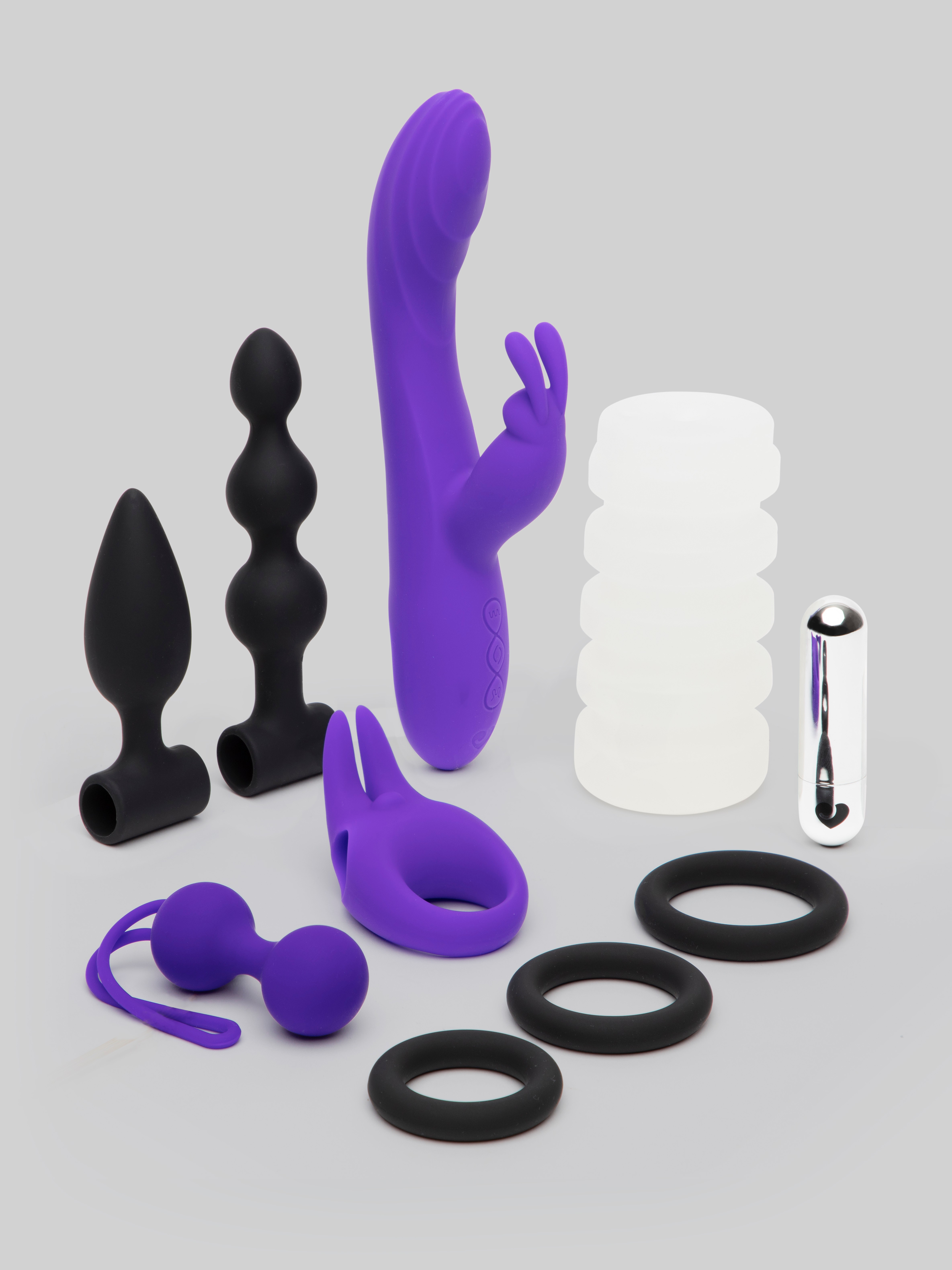
Couple-Focused Sex Toys: A Modern Evolution in Shared Intimacy and Connection

The exploration of shared pleasure through sex toys has evolved from a niche curiosity into a mainstream aspect of modern relationships, reflecting broader cultural shifts toward open communication, emotional vulnerability, and mutual satisfaction. Couples today increasingly view sex toys as tools to deepen intimacy, not just as accessories for solitary exploration. Historical taboos surrounding shared sexual tools have faded, replaced by a growing acceptance driven by feminist movements, sexual education reforms, and the normalization of pleasure as a relational priority. Studies indicate that 36% of couples in committed relationships now use sex toys together, with millennials leading the trend—60% of millennial couples report integrating toys into their intimate routines, according to a 2022 survey by The Kinsey Institute. This rise underscores a fundamental truth: pleasure is not a solitary pursuit but a collaborative experience that strengthens emotional bonds. Modern couples leverage these tools to navigate challenges like performance anxiety, differing libidos, or the monotony of routine, proving that innovation in intimacy often mirrors societal progress.
Historical Context: From Taboo to Mainstream

The use of sex toys in relationships predates modern discourse, with artifacts like the ancient Greek aiskhylon (a dildo-shaped vessel) and medieval European "merry widows" (vaginal stimulators) suggesting historical acceptance of shared pleasure. However, societal repression during the Victorian era and early 20th century demonized such tools, framing them as immoral or pathological. This stigma persisted until the sexual revolution of the 1960s–70s, when figures like Shere Hite and Betty Dodson championed female sexuality, indirectly paving the way for couples to explore toys without shame. The 1990s and 2000s marked a turning point with the rise of internet culture, where anonymity reduced stigma, and brands like We-Vibe (launched in 2008) introduced synchronized, couple-friendly designs, making shared play accessible. Today, platforms like OnlyFans and Etsy further normalize the topic, with 42% of Gen Z couples reporting they discuss sex toys openly, per a 2023 YouGov poll. This evolution reflects a broader cultural shift: pleasure is no longer a private indulgence but a shared language between partners.
Comparative Analysis: Solo vs. Couple-Focused Sex Toys
While solo sex toys prioritize individual gratification, couple-focused designs emphasize synchronization, sensory sharing, and mutual stimulation. Below is a comparative table highlighting key differences:
| Feature | Traditional Solo Toys | Couple-Focused Toys |
|---|---|---|
| Type | Dildos, vibrators, masturbators (e.g., We-Vibe Solo 2, Lelo Sona 2). | Synchronized vibrators, wearable stimulators, dual-control toys (e.g., We-Vibe Sync, Kiiroo Onry). |
| Purpose | Self-pleasure, stress relief, exploration. | Shared arousal, communication, overcoming plateaus, enhancing foreplay. |
| Material | Silicon, glass, metal, or body-safe plastics. | Medical-grade silicone (hypoallergenic), temperature-sensitive gels, or dual-textured surfaces for varied sensation. |
| Compatibility Features | Portable, discreet, single-user controls. | Wireless connectivity (e.g., Bluetooth), app-controlled intensity, adjustable straps, or interlocking designs for simultaneous use. |
| Psychological Impact | Reduces guilt or isolation; fosters self-discovery. | Encourages non-verbal communication, reduces performance pressure, and reinforces trust through shared vulnerability. |
Key Insight: Couple toys often incorporate ergonomic designs to accommodate varying body types and preferences, such as adjustable angles or dual-speed motors to cater to different sensitivity levels. For example, the OhMiBod HiDALGO combines a penetrative sleeve with a clitoral stimulator, allowing partners to customize sensations in real time—a feature absent in solo devices.
Table of Contents
- Couple-Focused Sex Toys: A Modern Evolution in Shared Intimacy and Connection
- Historical Context: From Taboo to Mainstream
- Comparative Analysis: Solo vs. Couple-Focused Sex Toys
- Design Innovations for Relationship Stages
- Debunking Myths About Couple Sex Toys
- Types of Sex Toys for Couples: A Comprehensive Guide to Enhancing Shared Intimacy
- Vibrators for Couple’s Synchronized Pleasure
- Dildos and Strapon Harnesses: Materials, Sizes, and Versatility in Penetration Play
- Couples’ Massagers: External, Internal, and Dual-Head Innovations
- Sensory and Bondage Toys: Exploring Safe Play and Shared Dominance
- How to Introduce Sex Toys into a Relationship: A Step-by-Step Guide for Couples
- Structured Approach to Introducing Sex Toys: Building Trust and Excitement
- Consent and Comfort: Non-Verbal and Verbal Cues for a Positive Experience
- Script for Initiating the Conversation: Romantic, Humorous, and Practical Framing
- Common Challenges and Solutions: Addressing Performance Pressure, Body Image, and Logistics
- First-Time Toy Play Checklist: Environment, Pace, and Debriefing
- Real-Life Integration: From Play Nights to Spontaneous Moments
Design Innovations for Relationship Stages
Modern sex toys are engineered to address the unique needs of couples across different relationship phases, from the honeymoon stage to long-term partnerships. Manufacturers now categorize products based on emotional and physical milestones, ensuring relevance whether a couple is navigating newlywed enthusiasm or post-parenthood reconnection.
- For Newlyweds and Early Relationships: Toys like the Sensate 5 (a dual-vibrating sleeve) prioritize gentle, exploratory play, with adjustable suction to ease first-time use. The We-Vibe Sync offers synchronized pulses, symbolizing unity—a psychological anchor for couples learning to communicate desires. Why it works: Early-stage couples benefit from low-pressure, sensory-rich experiences that build confidence without performance demands.
- For Mid-Term Couples (3–10 Years): Products like the Kiiroo Onry (a wearable, app-controlled vibrator) introduce customizable patterns, allowing partners to mimic touch or explore fantasies discreetly. The Lelo Sona 2’s dual-motor design accommodates asynchronous climaxes, addressing common mismatches in libido or arousal timing. Data note: A 2021 study in The Journal of Sex Research found that couples using adaptive toys reported 30% higher satisfaction in long-term relationships, attributing this to reduced frustration from unmet needs.
- For Long-Term Partners (10+ Years): Toys like the Lovehoney Dual Rabbit focus on reigniting passion with high-intensity vibrations and interlocking designs for deep penetration + clitoral stimulation. The We-Vibe Motion’s gyroscopic sensors detect movement, adapting to spontaneous play—critical for couples where routine has dulled excitement. Real-world example: A 2022 HuffPost profile highlighted a 25-year marriage where the husband’s erectile dysfunction was managed using the Fleshlight Pro Max (with adjustable suction) alongside the wife’s OhMiBod, restoring mutual pleasure without relying solely on medical interventions.
Debunking Myths About Couple Sex Toys
Despite their growing popularity, misconceptions persist, often rooted in outdated stigma or misinformation. Below are five prevalent myths and the evidence contradicting them:
"Couple sex toys are only for experienced or 'kinky' couples."
Reality: Over 65% of first-time users report no prior experience with toys, per a 2023 Playboy survey. Brands like Lovehoney offer "starter kits" with beginner-friendly designs (e.g., We-Vibe Classic 2), emphasizing ease of use. The misconception stems from pornography’s exaggeration of complexity; in truth, many toys require less skill than manual techniques like edging or tease-and-denial.
"Using toys together replaces emotional connection."
Reality: A 2020 study in Archives of Sexual Behavior found that couples using toys reported higher emotional intimacy scores than those who didn’t, citing shared vulnerability as a key factor. Toys like the Sensate 5 encourage non-verbal communication through tactile feedback, while app-controlled devices (e.g., Kiiroo) allow partners to discuss preferences without pressure. The error lies in conflating mechanical stimulation with emotional labor; toys enhance connection by creating shared experiences, not replacing it.
"They’re only useful if one partner has a 'problem' (e.g., low libido, ED)."
Types of Sex Toys for Couples: A Comprehensive Guide to Enhancing Shared Intimacy
Sexual exploration between partners has evolved beyond traditional boundaries, with modern couples embracing tools designed to deepen connection, experiment with pleasure, and tailor experiences to individual and shared desires. The market now offers a vast array of sex toys tailored specifically for couples, each serving distinct purposes—from synchronization and dual stimulation to sensory enhancement and role-play facilitation. Understanding the functionalities, materials, and applications of these toys empowers couples to navigate their choices confidently, ensuring compatibility with their relationship dynamics, preferences, and safety standards. Below is a detailed breakdown of the most popular categories, their unique features, and how they contribute to a fulfilling and inclusive intimate experience.
Vibrators for Couple’s Synchronized Pleasure
Vibrators designed for couples prioritize dual-stimulation, allowing both partners to experience pleasure simultaneously or in tandem. These devices often feature adjustable speeds, customizable patterns, and remote controls, enabling one partner to control the intensity or rhythm for the other. Wearable vibrators, such as those integrated into underwear or harnesses, provide discreet yet powerful stimulation during activities beyond the bedroom, such as public settings or prolonged foreplay sessions. Remote-controlled vibrators eliminate the need for direct handling, fostering spontaneity and reducing performance anxiety. Key innovations in this category include:
Dual-head vibrators: Equipped with two independent motors, these devices cater to clitoral and G-spot stimulation simultaneously for one partner, while the other can use a complementary toy or manual touch. Examples include the We-Vibe Sync or LELO Sona 2, which sync wirelessly for synchronized pulses. Wearable tech: Vibrating underwear or harnesses, like the Fleshlight Launch or Sensatex Pleasure Pants, offer hands-free stimulation, ideal for couples who prefer subtlety or wish to prolong arousal during non-sexual activities. App-connected vibrators: Devices such as the Kiiroo Onyx or Standard Innovation’s Lovense Edge sync with smartphone apps, allowing partners to customize vibrations, track usage patterns, or even incorporate voice commands for a personalized experience. Gender-Neutral Considerations: While vibrators are often marketed toward female pleasure, unisex models like the Rabbit Vibrating Couples Massager or Godrich G-Spot Vibrator are designed to accommodate male genital stimulation through external or internal attachments. These toys bridge the gap by offering adjustable intensities and ergonomic designs suitable for all body types.
Dildos and Strapon Harnesses: Materials, Sizes, and Versatility in Penetration Play
Dildos and strapon harnesses expand the possibilities of penetration-based play, catering to a spectrum of preferences—from solo exploration to coupled activities. The choice of material significantly impacts durability, sensory feedback, and safety, with silicone and body-safe plastics (like TPE or ABS) being the most common due to their hypoallergenic properties and ease of cleaning. Silicone, in particular, mimics the texture of skin, reducing friction and enhancing comfort during prolonged use. Glass dildos, while less common, offer a sleek, cool sensation and are favored for their aesthetic appeal and ease of cleaning. Size and Style Variations:
Small to medium dildos (3–6 inches): Ideal for beginners or couples exploring anal play, these are often paired with lubricants to ease insertion. Brands like Fun Factory or Doc Johnson offer ergonomic designs with curves to target the G-spot or prostate. Large or strapon-sized dildos (7–12+ inches): Designed for strapon harnesses, these require secure fastening to prevent slippage. Strapon harnesses, such as those from Femmebot or Sensual Pleasures, include adjustable straps for a customized fit, accommodating partners of varying body types. Curved or flexible dildos: Models like the We-Vibe Flexi or Sensual Pleasures’ Curvy Dildo provide dynamic stimulation by allowing movement during thrusting, enhancing pleasure for both the penetrator and receiver. Material-Specific Sensory Experiences:
Silicone: Retains heat, conforms to body contours, and is resistant to bacteria, making it ideal for frequent use. However, it may degrade under extreme temperatures or prolonged UV exposure. Body-safe plastics (TPE/ABS): Lightweight and often more affordable, these materials are less likely to retain odors but may lack the same level of heat retention as silicone. Glass or stainless steel: Preferred for their cool, smooth texture, though they require careful handling to avoid breakage or discomfort. Novelty in Design: Some dildos incorporate adjustable rings or suction cups for added grip, while others feature internal vibrating cores (e.g., Doc Johnson’s Suck It Dildo) to combine penetration with clitoral stimulation.
Couples’ Massagers: External, Internal, and Dual-Head Innovations
Massagers designed for couples focus on multi-sensory stimulation, combining tactile and vibrational elements to target erogenous zones beyond traditional penetration. External massagers, such as the We-Vibe Sync or LELO Luna, often feature dual heads—one for clitoral stimulation and another for G-spot or prostate massage—while internal massagers like the Sensatex G-Spot Massager use textured nodules to enhance internal pleasure. Key Features of Couples’ Massagers:
Dual-head designs: Allow simultaneous stimulation for both partners, such as the Rabbit Vibrating Couples Massager, which can be used by one partner to pleasure the other externally while the receiver enjoys internal vibrations. Adjustable intensity and patterns: Many massagers, like the Standard Innovation Lovense Hush, offer customizable settings via companion apps, enabling partners to sync or alternate between gentle pulses and intense vibrations. Wearable massagers: Devices like the Sensatex Pleasure Pants integrate vibrations into underwear, providing discreet stimulation during daily activities or extended foreplay sessions. Gender-Inclusive Applications:
Male-focused massagers: Often feature prostate massagers with curved designs (e.g., Aneros Prostate Massager) or external vibrators for penile stimulation, such as the We-Vibe Motion. Unisex massagers: Toys like the LELO Mia or Fun Factory G-Spot Massager are designed to accommodate varying anatomies, with adjustable angles and intensities to suit individual preferences. Sensory Enhancements:
Textured surfaces: Massagers with ribbed or spiral patterns (e.g., Sensatex G-Spot Massager) increase friction and pleasure during internal use. Heat-integrated designs: Some massagers, like the Kiiroo Badgley Mischief, include warming elements to heighten sensation, mimicking the natural heat of the body. Sensory and Bondage Toys: Exploring Safe Play and Shared Dominance
Sensory and bondage toys introduce elements of control, restraint, and heightened sensory awareness, fostering trust and communication between partners. These tools range from light sensory deprivation to structured bondage, with safety and consent being paramount. Wands, floggers, and cuffs are designed to enhance tactile feedback, while restraints create a sense of vulnerability and submission, ideal for couples exploring power dynamics. Popular Sensory and Bondage Toys:
Wands and floggers: Tools like the Rohrmann Flogger or Aneros Wand use soft latex or silicone to deliver varied sensations—from gentle tapping to firmer impacts. These are often used in sensate focus exercises, where partners explore touch without expectations of orgasm. Cuffs and restraints: Leather cuffs (e.g., Sensual Pleasures’ Adjustable Cuffs) or silicon restraints (e.g., Otto Toys’ Bondage Set) prioritize secure fastening with quick-release mechanisms for safety. Bondage play should always include clear communication and aftercare to ensure comfort. Sensory deprivation masks: Devices like the Otto Toys’ Sensory Deprivation Mask block visual stimuli, heightening other senses and creating an immersive experience. These are often paired with soundscapes or scents to deepen the sensory journey. Feathers and teases: Goose feather wands (e.g., Aneros Feather Teaser) provide a light, tickling sensation, while ice wands (filled with water or gel) offer a cool contrast to warm skin. Safe Play Guidelines:
Consent and communication: Establish safe words and discuss boundaries before engaging in any bondage or sensory play. Material safety: Ensure toys are made from body-safe materials (e.g., medical-grade silicone, latex-free rubber) and free from phthalates or BPA. Gradual introduction: Start with How to Introduce Sex Toys into a Relationship: A Step-by-Step Guide for Couples
Exploring intimacy with sex toys can deepen connection, spark curiosity, and introduce new layers of pleasure for couples. However, the transition requires intentionality, communication, and mutual comfort. A structured approach ensures the experience remains positive, consensual, and aligned with both partners’ desires. This guide provides actionable strategies—from setting the emotional foundation to navigating challenges and integrating toys seamlessly into shared routines—backed by psychological insights and real-world examples.
Structured Approach to Introducing Sex Toys: Building Trust and Excitement
A successful introduction of sex toys into a relationship hinges on three foundational pillars: creating a safe emotional space, fostering open dialogue, and engaging in collaborative research. These elements reduce anxiety, clarify intentions, and ensure the experience feels natural rather than forced. Setting the mood involves more than physical comfort—it requires emotional readiness. Privacy is critical; choose a space where interruptions are impossible, and where both partners feel secure. Comfort extends to psychological safety: partners should associate the idea of exploration with positivity, not pressure. This might involve framing the discussion during a relaxed moment, such as after a shared activity like cooking or a walk, rather than during high-stress periods. Open communication transforms the topic from taboo to collaborative. Using "I" statements shifts focus from blame to shared curiosity. For example: > "I’ve been reading about how some couples use toys to enhance their intimacy, and I’d love to explore that with you if you’re open to it." Shared research demystifies the process. Couples can watch educational videos (e.g., from sex educators like Emily Nagoski or Dr. Emily Morse), read review-based guides (such as those on Good Vibrations or Adam & Eve), or consult certified sex therapists for personalized advice. This step also helps identify toys suited to individual preferences—whether vibration-based, sensory-focused, or designed for specific erogenous zones.
Consent and Comfort: Non-Verbal and Verbal Cues for a Positive Experience
Consent in toy play extends beyond verbal agreement—it’s an ongoing dialogue. Non-verbal cues often reveal hesitations before words do. Hesitant body language (e.g., crossed arms, avoidance of eye contact) or delayed responses to touch can signal discomfort. Verbal check-ins should occur before, during, and after play. For instance: > "How does that feel for you? Too intense? Just right? Let’s adjust if needed." Safe words or signals (e.g., a prearranged phrase like "sunshine" to pause or "moonlight" to stop) provide immediate control. These tools prevent miscommunication and ensure both partners retain agency. Research from the Journal of Sex Research highlights that couples who establish clear boundaries report higher satisfaction during intimate exploration.
Script for Initiating the Conversation: Romantic, Humorous, and Practical Framing
Approaching the topic requires tailoring the tone to the relationship’s dynamic. Below are three effective scripts, adaptable to different personalities: 1. Romantic Framing > "I’ve been thinking about how much we enjoy discovering new ways to connect. I read that some couples use toys to explore pleasure together—it’s not about replacing what we already have, but adding another layer to our intimacy. Would you be open to trying it with me?" 2. Humor (for lighthearted couples) > "Okay, hear me out: What if we turned our ‘boring’ Tuesday nights into ‘spicy’ Tuesday nights? I saw this toy that’s basically a high-tech feather duster for grown-ups. No pressure, but if you’re game, we could test it out and see if it’s our new favorite pastime—or at least a funny story." 3. Practicality (for goal-oriented couples) > "I’ve noticed we both get stressed after work, and sometimes our connection feels a little flat. I came across some studies suggesting that shared sensory play can reduce stress and improve intimacy. It’s low-pressure, and we could start with something simple. What do you think?" Key tip: Pair the conversation with a tactile gesture—holding hands or sitting close—to reinforce warmth and reduce potential awkwardness.
Common Challenges and Solutions: Addressing Performance Pressure, Body Image, and Logistics
Couples often encounter obstacles that derail enthusiasm. Proactive strategies can mitigate these issues:
Challenge Solution Example Performance Pressure Reframe toys as tools for shared pleasure, not performance. Emphasize exploration over results. "This isn’t about who ‘wins’—it’s about us discovering what feels good together." Body Image Concerns Normalize vulnerability by discussing sensory pleasure over appearance. Use toys that cover or enhance. Opt for remote-controlled vibrators or blindfolded play to focus on touch, not sight. Logistical Issues Plan ahead: designate a storage spot (e.g., a locked drawer) and schedule dedicated time. "Let’s keep one toy in the bedside table and try it for 10 minutes after dinner on Fridays." Differing Comfort Levels Start with individual exploration before shared use. Use toys that allow independent control. Try a dual-vibration massager where each partner adjusts their own intensity. Performance anxiety often stems from societal myths equating sex with penetration or orgasm. Sex toys—especially those designed for non-penetrative play—can alleviate this by shifting focus to sensory connection. A 2022 study in The Archives of Sexual Behavior found that couples using toys reported 30% lower stress during intimate encounters due to reduced pressure to "perform."
First-Time Toy Play Checklist: Environment, Pace, and Debriefing
A checklist ensures the first experience feels intentional and enjoyable. Prepare the environment by dimming lights, playing sensual music (e.g., lo-fi beats or nature sounds), and eliminating distractions like phones. Start slow: encourage solo play first to build comfort, then introduce shared use with gentle, non-invasive toys (e.g., a textured massager or silicone sleeve). Experiment with positions that reduce self-consciousness, such as:
Lying down (minimizes pressure to "perform"). Sitting facing each other (facilitates eye contact and verbal feedback). Using pillows to prop up limbs for relaxed access. After play, a debriefing is crucial. Ask open-ended questions: > "What did you enjoy most?" > "Was there anything you’d like to try differently next time?" > "How did it feel to explore this together?" This step reinforces positive association and identifies preferences for future sessions.
Real-Life Integration: From Play Nights to Spontaneous Moments
Couples who successfully integrate toys often adopt three strategies: structured play nights, spontaneous incorporation, and travel-friendly adaptations. 1. Weekly "Play Nights"
Example: Sarah and Mark, a couple in their 40s, dedicate every Thursday evening to intimacy without distractions. They use a rotating selection of toys (e.g., a clitoral suction toy one week, a prostate massager the next) to keep exploration fresh. Their routine includes: Pre-game: Light stretching and a glass of wine to relax. Activity: 20 minutes of solo play followed by 30 minutes of shared use. Aftercare: Cuddling and discussing highlights. 2. Spontaneous Use
Example: Jamie and Taylor, a younger couple, keep a travel-sized vibrator in their nightstand. They’ll use it during foreplay after dinner or while watching a movie, turning mundane moments into sensual interludes. Their key rule: "If we’re both in the mood, we can play—no overthinking." 3. Travel-Friendly Toys
Example: Priya and Leo, who travel frequently, use discreet, portable toys like: Silicon sleeves (easy to pack, reusable). Wireless bullet vibrators (compact, rechargeable). Sensory rings (for clitoral or penile stimulation without bulk). They also pre-book "adult-friendly" hotels with secure storage options to maintain privacy. Data Insight: A 2023 survey by The Kinsey Institute revealed that 68% of couples who incorporated toys into their routines reported increased emotional closeness, while 55% noted improved communication about desires. The key factor? Consistency—cou
The path to incorporating sex toys into a relationship begins with curiosity, communication, and a willingness to explore beyond comfort zones. From dual-stimulation vibrators that sync movements to sensory-deprivation masks that deepen immersion, the options are as diverse as the couples using them. The key lies not in the toy itself, but in how it bridges gaps—whether addressing performance pressures, differing comfort levels, or simply adding playful variety to routine intimacy. By debunking myths, prioritizing consent, and treating experimentation as a shared adventure, couples can transform toys from objects of hesitation into gateways for stronger bonds. The full release of pleasure, after all, is only possible when both partners feel equally empowered to enjoy it.
Leave a Comment
Comments are moderated before appearing. The data you submit is processed according to the Privacy Policy of Fism.