Complete File Free nude men in playgirl archives uncovered
Playgirl’s legacy as a pioneer in male nudity photography has long blurred the lines between art, commerce, and cultural rebellion. From its controversial debut in the 1960s to today’s digital renaissance, the magazine’s unfiltered portrayal of male bodies challenged taboos while sparking debates on consent, aesthetics, and societal norms. This exploration dissects how Playgirl transformed from a niche experiment into a defining force in visual storytelling, offering a rare glimpse into the evolution of male-centric erotica through archival treasures and modern adaptations.
The quest for complete, legally accessible collections of Playgirl’s nude imagery raises complex questions about preservation, ethics, and technological access. While enthusiasts and researchers seek historical documentation, the digital age introduces new challenges—from copyright infringement risks to the ethical dilemmas of distributing explicit content without consent. This analysis examines the intersection of nostalgia, legality, and innovation, revealing how platforms navigate these tensions while preserving artistic heritage for future generations.
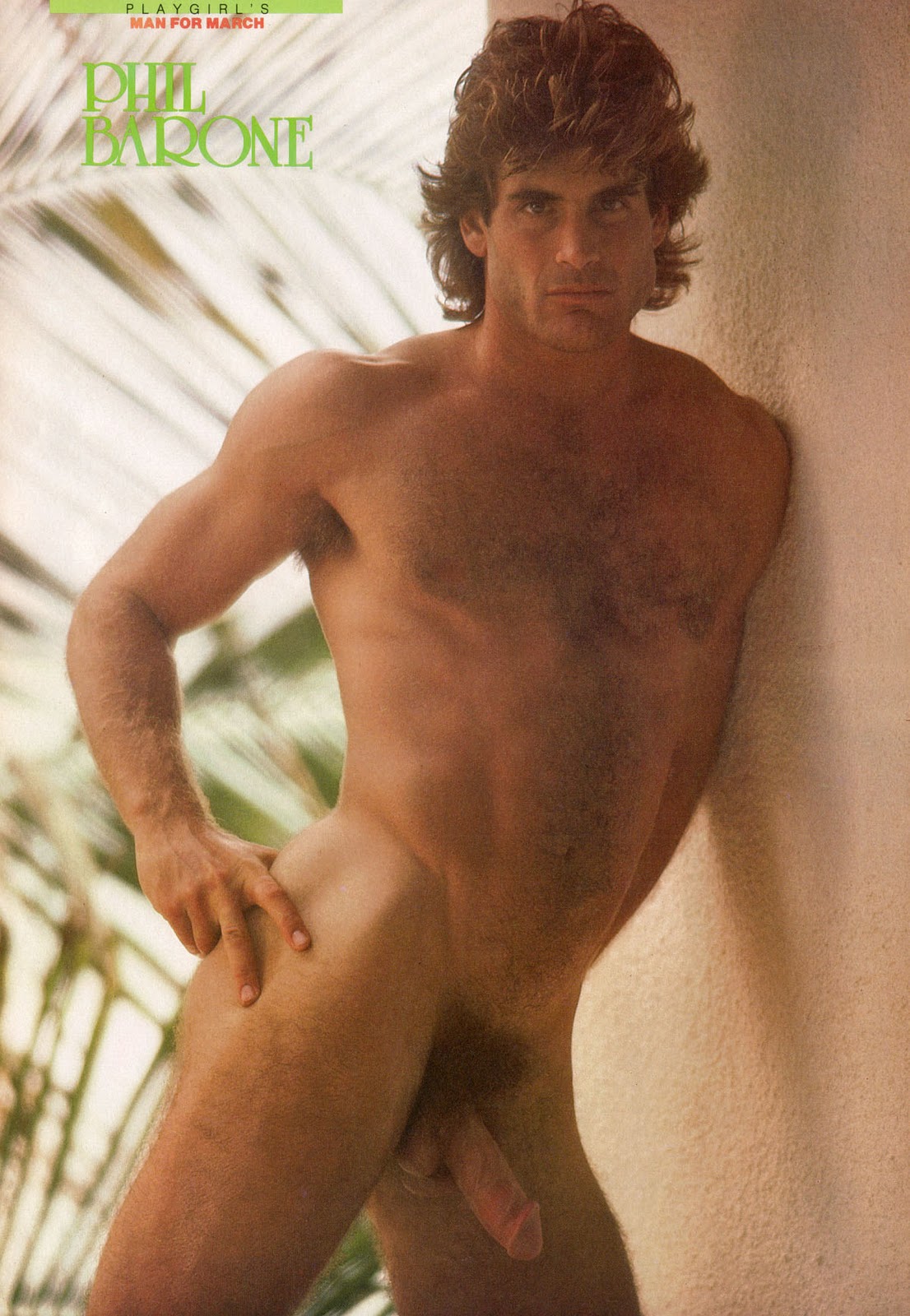
The Evolution of Male Nude Photography in Men’s Magazines: A Historical and Cultural Exploration
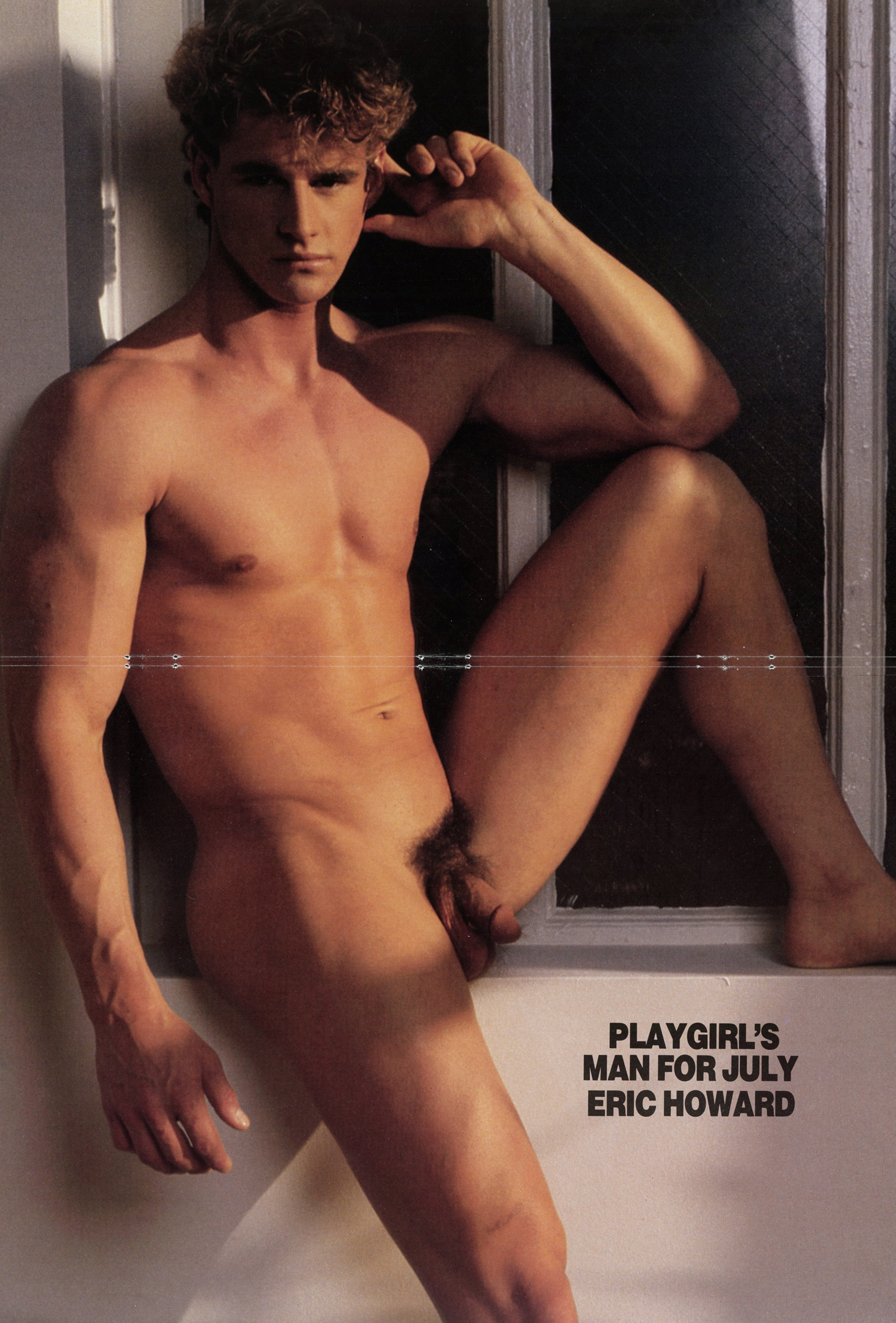
The portrayal of male nudity in mainstream media has undergone a transformative journey, evolving from taboo to artistic expression and cultural commentary. Unlike female nudity, which has long been a staple in visual media, male nudity faced significant resistance due to deeply ingrained societal norms surrounding masculinity, modesty, and gender roles. Men’s magazines like Playgirl emerged as pioneers in challenging these conventions, blending eroticism with artistic and political narratives. This section traces the historical trajectory of male nude photography, examining its cultural context, key milestones, and the shifting dynamics that redefined its reception in print and digital media.
Origins and Early Resistance: Male Nudity in Pre-20th-Century Media

Male nudity in visual media predates the 20th century but was largely confined to classical art, religious iconography, and medical illustrations. Ancient Greek sculptures and Renaissance paintings frequently depicted the male form, often idealizing it as a symbol of beauty, strength, and divine connection. However, these representations were not eroticized; they served religious, philosophical, or educational purposes. The commercialization of male nudity as erotic imagery faced centuries of suppression, particularly in Western societies where male modesty was strictly enforced.
The 19th century saw limited experimentation with male nudity in photography, primarily through scientific and anthropological lenses. Early photographers like Eadweard Muybridge captured male athletes and dancers in motion studies, but these images lacked erotic intent. Meanwhile, pornographic materials of the era—such as private collections or underground publications—rarely featured male nudity due to legal restrictions and societal taboos. The first documented instances of male nudity in mainstream erotic media appeared in the late 19th and early 20th centuries, often in the form of male striptease performances or "strongman" photography, which objectified muscular men as symbols of power rather than sensuality.
Key Milestones: The Rise of Male Nude Photography in Mainstream Magazines
The mid-20th century marked a turning point for male nude photography in mainstream media, driven by cultural shifts, technological advancements, and the rise of men’s lifestyle magazines. Below is a chronological overview of pivotal moments that reshaped the landscape:
Table of Contents
- The Evolution of Male Nude Photography in Men’s Magazines: A Historical and Cultural Exploration
- Origins and Early Resistance: Male Nudity in Pre-20th-Century Media
- Key Milestones: The Rise of Male Nude Photography in Mainstream Magazines
- Cultural Shifts: Feminism, LGBTQ+ Rights, and the Redefinition of Masculinity
- Comparative Analysis: Male Nudity in Playgirl vs. Female-Oriented Magazines
- Legal and Ethical Boundaries of Free Nude Content Distribution in the Digital Age
- Legal Frameworks Governing Nude Content Distribution
- Jurisdictional Variations in Regulating Free Nude Content
- Real-World Legal Consequences for Unauthorized Distribution
- Ethical Dilemmas in the Distribution of "Free" Nude Content
- Technical Methods for Accessing or Creating High-Quality Nude Photography
- Equipment and Setup for High-Resolution Nude Photography
- Analog vs. Digital Photography in Nude Imagery
- Advanced Techniques for Enhancing Image Quality
- Optimizing Images for Different Platforms
- 1950s: The Birth of Playboy and Female-Centric Nudity The launch of Playboy in 1953 by Hugh Hefner popularized female nudity in mass-market magazines, but male nudity remained absent. Playboy’s centerfolds featured pin-up models like Marilyn Monroe, reinforcing traditional gender dynamics where female sexuality was commodified for male consumption. The magazine’s initial reluctance to include male nudity reflected broader societal norms that viewed male bodies as either asexual or hyper-masculine, unworthy of erotic display.
- 1960s: The Gay Liberation Movement and Underground Publications The 1960s witnessed the emergence of underground magazines and zines that challenged heteronormative standards, including Physique Pictorial (1951) and Tom of Finland’s homoerotic illustrations. While not mainstream, these publications laid the groundwork for the acceptance of male nudity as an artistic and erotic subject. The Stonewall riots in 1969 accelerated this shift, as LGBTQ+ activism demanded visibility and representation in media.
- 1970s: Playgirl’s Bold Experimentation
In 1965, Playgirl debuted as a direct competitor to Playboy, positioning itself as a more "sophisticated" and "artistic" alternative. The magazine’s first issue in 1965 featured a nude male centerfold—a groundbreaking move at the time. The model was Robert Vickrey, a professional bodybuilder, whose muscular physique aligned with the era’s fascination with physical fitness and masculinity. This decision was met with both acclaim and backlash; some critics argued it was a gimmick, while others praised it as a step toward gender equality in visual media.
"Playgirl’s nude men were not just objects of desire but symbols of a new kind of masculinity—one that embraced vulnerability, artistry, and sensuality." —From the magazine’s editorial mission statement, 1970s.
Over the following decades, Playgirl continued to feature male nudity, often pairing it with feminist themes, body positivity, and political commentary. For example, the 1974 issue dedicated to "The Male Body Beautiful" included essays on male objectification and interviews with gay rights activists, framing male nudity as a tool for social critique. - 1980s–1990s: The Decline of Print and the Rise of Digital Pornography The 1980s saw a decline in the prominence of male nudity in mainstream men’s magazines due to the rise of AIDS awareness, which led to increased censorship and stigma around male sexuality. Magazines like Playgirl shifted focus toward female empowerment and lifestyle content, while male nudity became more associated with underground or niche publications. The advent of the internet in the 1990s further decentralized male nude imagery, as digital platforms like early adult sites and forums made explicit content more accessible, bypassing traditional print media.
- 2000s–Present: The Digital Renaissance and Mainstream Acceptance The 21st century has witnessed a resurgence of male nude photography in both digital and print media, driven by body positivity movements, queer representation, and the normalization of diverse masculinity. Magazines like Attitude (a gay lifestyle publication) and GQ’s occasional features on male models have embraced male nudity as a form of self-expression. Additionally, social media platforms like Instagram and Tumblr have democratized male nude imagery, allowing artists and models to build direct audiences without relying on traditional gatekeepers. In 2016, Playgirl made headlines by announcing its reboot with a focus on female empowerment, but it also included a digital series titled "Men of Playgirl," which celebrated male models and artists. This marked a return to its original experimentation with male nudity, albeit in a more inclusive and politically conscious context.
Cultural Shifts: Feminism, LGBTQ+ Rights, and the Redefinition of Masculinity
The acceptance of male nude photography in mainstream media is inextricably linked to broader cultural movements that questioned traditional gender roles. Feminist activism of the 1960s and 1970s challenged the objectification of women in media, prompting a reevaluation of how men were portrayed. If female bodies were being commodified for male pleasure, why not explore male bodies in a similar light? This question became central to the discourse around Playgirl’s nude men.
The LGBTQ+ movement played an equally critical role. Gay rights activists and artists, such as Tom of Finland (real name: Touko Laaksonen), argued that male nudity was not inherently homoerotic but a universal form of beauty. Publications like Drummer (1962–1980), a gay men’s magazine, featured explicit male imagery long before it was acceptable in mainstream media. The HIV/AIDS crisis of the 1980s initially set back progress, but the subsequent advocacy for LGBTQ+ visibility in the 1990s and 2000s helped normalize discussions around male sexuality.
Body positivity and queer theory further redefined male nudity as a tool for self-acceptance and political resistance. The #MeToo movement, while primarily focused on female experiences, also sparked conversations about male objectification and the double standards applied to male and female bodies. Magazines and brands began to feature male models of diverse body types, ethnicities, and sexual orientations, reflecting a more inclusive approach to masculinity.
Comparative Analysis: Male Nudity in Playgirl vs. Female-Oriented Magazines
The portrayal of male nudity in Playgirl differed significantly from its treatment in female-oriented magazines like Playboy. Below is a comparative table highlighting key differences in framing, context, and audience targeting:
| Aspect | Playgirl (Male Nudity) | Playboy (Female Nudity) | |||||||||||||||||||||||
|---|---|---|---|---|---|---|---|---|---|---|---|---|---|---|---|---|---|---|---|---|---|---|---|---|---|
| Primary Audience | Initially marketed to men seeking "sophisticated" entertainment but later expanded to include feminist and LGBTQ+ readers. | Exclusively targeted at heterosexual men, reinforcing traditional male desires. | |||||||||||||||||||||||
Framing of NudityLegal and Ethical Boundaries of Free Nude Content Distribution in the Digital Age
The proliferation of free nude content online has blurred the lines between artistic expression, commercial exploitation, and digital accessibility, creating a complex landscape of legal and ethical dilemmas. While platforms like Playgirl historically operated within the confines of print media regulations, the internet’s borderless nature and anonymity have intensified debates over consent, ownership, and jurisdiction. Legal frameworks vary significantly across regions, with some countries enforcing strict penalties for unauthorized distribution, while others adopt a more permissive stance—often leading to conflicts between free speech advocates and victim protection groups. Ethical concerns further complicate the issue, as the accessibility of explicit imagery raises questions about coercion, exploitation, and the digital rights of individuals. This section examines the legal boundaries governing the distribution of nude content, jurisdictional disparities, real-world legal consequences, and the ethical pitfalls of labeling such material as "free." It also compares traditional print media standards with digital platform practices, debunks common misconceptions, and outlines proactive measures for legal compliance.
Legal Frameworks Governing Nude Content DistributionThe distribution of nude content online intersects with multiple legal domains, including copyright law, right of publicity, privacy rights, and obscenity regulations. Copyright law typically protects the expression of creative works, such as photographs, but not the underlying subject—meaning a nude photograph’s artistic elements may be copyrighted, while the individual’s likeness itself is governed by other laws. The right of publicity grants individuals control over commercial use of their name, image, or likeness, often requiring explicit consent for monetization or widespread distribution. Privacy laws, such as the General Data Protection Regulation (GDPR) in the EU or the California Consumer Privacy Act (CCPA) in the U.S., further restrict the unauthorized collection or dissemination of personal imagery, particularly when linked to identifiable individuals. Obscenity laws, though rarely applied to consensual adult content, can criminalize non-consensual or exploitative material under revenge porn statutes or child sexual abuse material (CSAM) prohibitions. Jurisdictional differences exacerbate these complexities. In the U.S., the First Amendment broadly protects adult content as free speech, but states like California and Virginia have enacted revenge porn laws, imposing felony charges for non-consensual sharing. The EU adopts a stricter stance under Article 8 of the European Convention on Human Rights, which prioritizes privacy, leading to swift takedowns of unauthorized nude images under GDPR’s "right to be forgotten." In Asia, countries like Singapore and Malaysia enforce stringent cyber harassment laws, while Japan permits adult content but criminalizes unauthorized distribution of private images under the Act on Punishment of Acts of Sexual Violence etc. by Utilizing Information and Communication Technology. Meanwhile, India’s Information Technology Act (2000) prohibits publishing or transmitting "indecent" material, though enforcement varies. These disparities create a patchwork of regulations, where a platform deemed legal in one country may face prosecution in another, particularly when content is labeled as "free" without clear consent documentation.Jurisdictional Variations in Regulating Free Nude ContentThe treatment of free nude content varies dramatically depending on legal tradition, cultural norms, and technological infrastructure. Below is a comparative analysis of key regions:"Free" content does not equate to legal or ethical immunity—jurisdiction dictates liability, not accessibility.
Real-World Legal Consequences for Unauthorized DistributionSeveral high-profile cases illustrate the legal repercussions of distributing nude content without consent or proper licensing. In 2014, Hunter Moore, founder of IsAnyoneUp.com, was sentenced to 30 months in prison under California’s revenge porn law after distributing explicit images of women without permission. The case set a precedent for non-consensual pornography (NCPO) prosecutions in the U.S. Similarly, in 2021, a German man received a 10-month prison sentence for sharing nude images of his ex-partner on social media, with courts ruling that digital distribution constituted harassment under Article 238 of the German Criminal Code. In the EU, GDPR’s "right to erasure" has led to multiple rulings against platforms failing to remove unauthorized images. A 2020 case in the UK saw Metropolitan Police issue warnings to social media companies after a spike in deepfake pornography, with Twitter and Facebook forced to comply with emergency takedowns under Section 127 of the Communications Act 2003. Meanwhile, in Asia, Pornhub faced legal action in India after hosting leaked private videos without consent, leading to court-ordered bans in multiple states. These cases demonstrate that jurisdiction-specific laws can override the assumption that "free" content is universally permissible.Ethical Dilemmas in the Distribution of "Free" Nude ContentThe ethical implications of free nude content extend beyond legality, touching on exploitation, coercion, and digital exploitation. One of the most pressing issues is non-consensual sharing, where individuals’ private images are distributed without their knowledge or permission. This often intersects with digital abuse, where perpetrators use revenge porn, sextortion, or blackmail to control victims. The 2022 Cyber Civil Rights Initiative report found that 1 in 5 adults in the U.S. had experienced non-consensual image sharingTechnical Methods for Accessing or Creating High-Quality Nude PhotographyThe creation and distribution of high-quality nude photography demand a blend of technical expertise, artistic sensibility, and adherence to ethical standards. Whether for artistic, commercial, or personal use, the process involves mastering equipment, post-processing techniques, and platform optimization to ensure visual integrity and accessibility. Advances in digital technology, AI, and imaging software have revolutionized how nude photography is captured, edited, and distributed, while also introducing new challenges in legal compliance, ethical sourcing, and file management. This section explores the technical methodologies behind producing professional-grade nude imagery, from analog and digital capture to AI-assisted enhancements and secure digital asset management.Equipment and Setup for High-Resolution Nude PhotographyCapturing high-resolution nude photography requires precise control over lighting, camera settings, and backdrop selection to achieve clarity, depth, and aesthetic appeal. The choice of equipment significantly influences the final output, with professional photographers often investing in high-end gear for optimal results. Camera Selection High-resolution cameras with full-frame sensors are preferred for nude photography due to their superior dynamic range and low-light performance. Models such as the Sony A7R IV, Canon EOS R5, or Nikon Z7 II are commonly used for their ability to capture 40–60 megapixels with minimal noise. Medium-format cameras, such as the Fujifilm GFX 100, offer even greater detail but are less portable. Mirrorless cameras are favored for their ergonomic design and silent shooting capabilities, which are essential for maintaining a natural and unposed environment. Lighting Techniques Lighting is critical in nude photography, as it defines texture, shadows, and overall mood. Three-point lighting—a combination of key light, fill light, and backlight—is a standard approach to achieve balanced illumination. Softbox diffusers or umbrella lights are used to minimize harsh shadows, while reflectors help bounce light onto darker areas. For dramatic effects, photographers may employ Rembrandt lighting or split lighting, which creates contrast and depth. LED panels, such as the Aputure Light Storm, are increasingly popular due to their adjustability and energy efficiency. Backdrops and Studio Setup Backdrops should complement the subject without distracting from the composition. Seamless paper backdrops in neutral tones (e.g., gray, black, or white) are versatile for studio shoots, while textured fabrics or outdoor locations can add naturalism. For digital composites, green screens allow for post-processing flexibility, enabling photographers to place subjects in any environment. Studio setups often include lighting grids, flags, and scrims to control light direction and intensity. Tripods and Stabilization Stability is crucial for long exposures or high-resolution captures. Heavy-duty tripods, such as the Manfrotto MT055XTR, ensure sharpness, while monopods or gimbal stabilizers (e.g., DJI RS 3) are useful for handheld or dynamic shots. For macro photography, stacking techniques or focus bracketing may be employed to extend depth of field.Analog vs. Digital Photography in Nude ImageryThe debate between analog and digital photography extends to nude imagery, with each method offering distinct advantages and limitations in terms of aesthetic, workflow, and cost. Analog Photography: Film and Darkroom Processing Analog photography, particularly with large-format cameras (e.g., 4x5 inch view cameras), produces images with a unique grain texture and tonal richness that digital sensors often struggle to replicate. Film stocks like Kodak Portra 400 or Fujifilm Pro 400H are favored for their smooth gradations and skin tone accuracy. Darkroom processing involves enlarging negatives and fine-tuning contrast with dodging and burning techniques. However, analog workflows are time-consuming, expensive, and require specialized knowledge of chemical development and printing. Pros of Analog:Advanced Techniques for Enhancing Image QualityBeyond basic capture and editing, advanced techniques can elevate the quality of nude photography, adding depth, texture, and artistic complexity. High Dynamic Range (HDR) Photography HDR photography merges multiple exposures to capture a broader range of light and shadow, reducing blown highlights and crushed shadows. This technique is particularly useful in high-contrast lighting scenarios. Software like Adobe Lightroom or Photomatix Pro automates the process by aligning and blending bracketed exposures. However, overuse of HDR can result in an unnatural, cartoonish appearance, so subtle blending is key. Long Exposure and Light Painting Long exposure photography (e.g., 10–30 seconds) smooths motion, creating a dreamlike quality ideal for nude portraits. Combined with light painting—using handheld light sources to "draw" on the scene—photographers can add dynamic elements. For example, a LED brush or flame can be used to highlight specific areas while the rest of the image remains dark. This technique requires a remote shutter release or timer to avoid camera shake. 3D Modeling and Digital Art Integration For digital artists, 3D modeling software (e.g., Blender, ZBrush) allows the creation of hyper-realistic nude imagery from scratch. Photogrammetry—a process of scanning real subjects with multiple cameras—can generate 3D models that are later textured and rendered. This method is used in adult gaming assets, digital art, and virtual try-on applications. However, ethical concerns arise when 3D models are used to create deepfake or non-consensual imagery. Bokeh and Depth of Field Control Shallow depth of field (achieved with wide apertures, e.g., f/1.4–f/2.8) isolates the subject, creating a pleasing bokeh effect. Tilt-shift lenses (e.g., Nikkor PC-E) or focus stacking (combining multiple images at different focal planes) can extend the sharpness of the subject while maintaining background blur. This technique is commonly used in macro nude photography to emphasize texture and detail.Optimizing Images for Different PlatformsThe distribution platform dictates the optimal file format, resolution, and compression settings to balance quality and performance. File Formats and CompressionPlaygirl’s archives stand as a testament to how visual media can both reflect and reshape cultural dialogues on masculinity, desire, and representation. From vintage Polaroids to high-definition digital scans, the journey of accessing these images underscores broader conversations about digital rights, artistic integrity, and the blurred boundaries between public and private domains. As technology evolves, so too must our approach to preserving—and ethically engaging with—such historically significant yet legally fraught material, ensuring that legacy content remains accessible without compromising the rights of those it immortalizes. |
Leave a Comment
Comments are moderated before appearing. The data you submit is processed according to the Privacy Policy of Fism.